
Botox, Dysport & Xeomin: the three neurotoxins, actually explained
Same protein. Different wrappers. Here's what that means for your face — and why your injector probably cares more than you do.
 Maria Liuzzi·MSN, APRN, FNP-BC
If you've ever tried to figure out the difference between Botox, Dysport, and Xeomin by reading the back of a spa menu, you've probably walked away thinking one is stronger, one is cheaper, and one is for the people who read skincare subreddits. None of that is quite right.
All three are purified forms of the same active molecule — botulinum toxin type A. All three are FDA-approved to soften expression lines. All three, in skilled hands, can produce a result so natural your friends don't notice. What actually differs between them is subtle: the accessory proteins that surround the molecule, how quickly the effect sets in, how it diffuses through the muscle, and how long it lasts. Those differences rarely matter to the patient. They frequently matter to the injector.
Here's how we think about Botox at The Beauty Spot — and how you should think about it before your next appointment.
What neurotoxins actually do (and don't)
A neurotoxin doesn't erase wrinkles. It temporarily blocks the signal between a nerve and a muscle, so the muscle stops contracting as forcefully. The lines that formed from repeated contractions — the horizontal bands on your forehead, the vertical "11s" between your brows, the crow's feet at the outer eye — soften as the skin stops being creased over and over.
Static lines — the ones etched in at rest, sometimes from decades of sun exposure — are softened less than dynamic lines. For those, a neurotoxin is one tool in a plan that usually also includes resurfacing, a skin booster, or microneedling. A consultation is the honest way to figure out what belongs in your plan.
The three brands, side by side
Onset, duration, and dosing conventions differ. Safety profiles in healthy, non-pregnant adults are similar across the three.
| Botox | Dysport | Xeomin | |
|---|---|---|---|
| Maker | AbbVie (Allergan) | Galderma | Merz |
| FDA-approved since | 2002 (cosmetic) | 2009 | 2011 |
| Accessory proteins | Yes | Yes | No — "naked" molecule |
| Onset | 3–5 days | 2–3 days | 3–5 days |
| Full effect | 10–14 days | 7–14 days | 10–14 days |
| Typical duration | 3–4 months | 3–4 months | 3–4 months |
| Unit conversion | 1 Botox unit | ~2.5–3 Dysport units | ~1 Xeomin unit |
Botox (Allergan)
The original, and the most-studied cosmetic neurotoxin in the world. Two decades of data, an enormous range of dosing protocols for every area of the face, and the tightest diffusion pattern of the three. The molecule travels slightly less from the injection site than Dysport — useful when you're targeting something precise like the lip flip or a single overactive muscle band, where you don't want the product wandering.
If you've had Botox before and liked it, there's usually no reason to change.
Dysport (Galderma)
Often kicks in a day or two faster than Botox. The molecule spreads a touch more through the muscle, which can be an advantage on the forehead — a broad, thin muscle where we want even softening, not pinpoint relaxation. The tradeoff: if your injector is heavy-handed or places units too close to the brow, that same spread can lower your brow line. Dysport in skilled hands is excellent; in unskilled hands it's where most of the "I look tired" complaints come from.
Dysport is dosed in different units than Botox — roughly 2.5 to 3 Dysport units per 1 Botox unit. This is a conversion, not a potency difference. A "lot of Dysport" and a "little Botox" can produce the same effect.
Xeomin (Merz)
Xeomin is the outlier in a useful way: it's the only one of the three that ships without accessory proteins — just the active toxin molecule on its own. The theoretical benefit is that your immune system has less to react to, which matters for the small subset of frequent-treatment patients who develop antibodies that gradually reduce responsiveness over years of injections.
For most patients, this is a benefit they'll never notice. For patients who have been doing Botox twice a year for a decade and feel it's "not working like it used to," switching to Xeomin can reset the conversation.
So which one is right for you?
The honest answer is: it depends on what we see when we look at your face. These are the factors we actually weigh in the consultation.
- What you've had before. If a previous brand worked beautifully, we usually stay with it. If a previous result felt heavy or dropped the brow, we try something else.
- Your timeline. Wedding in 10 days? Dysport's faster onset matters. Routine maintenance with a 3-month runway? Any of the three.
- The area. Forehead tends to do well on Dysport. Precise work around the mouth and lower face often does best on Botox. Frequent-treatment patients with plateauing results often benefit from a trial of Xeomin.
- Your sensitivity. A small number of patients report fewer post-injection headaches on Xeomin. Hard to predict in advance — worth noting if you've had issues before.
Maria routinely switches brands between appointments on the same patient based on how the previous cycle behaved — duration, symmetry, how quickly it wore off, whether the "11s" needed more than the forehead did. That's the work. The brand is a variable you tune, not a loyalty you sign up for.
Three myths worth putting down
What to expect at your appointment
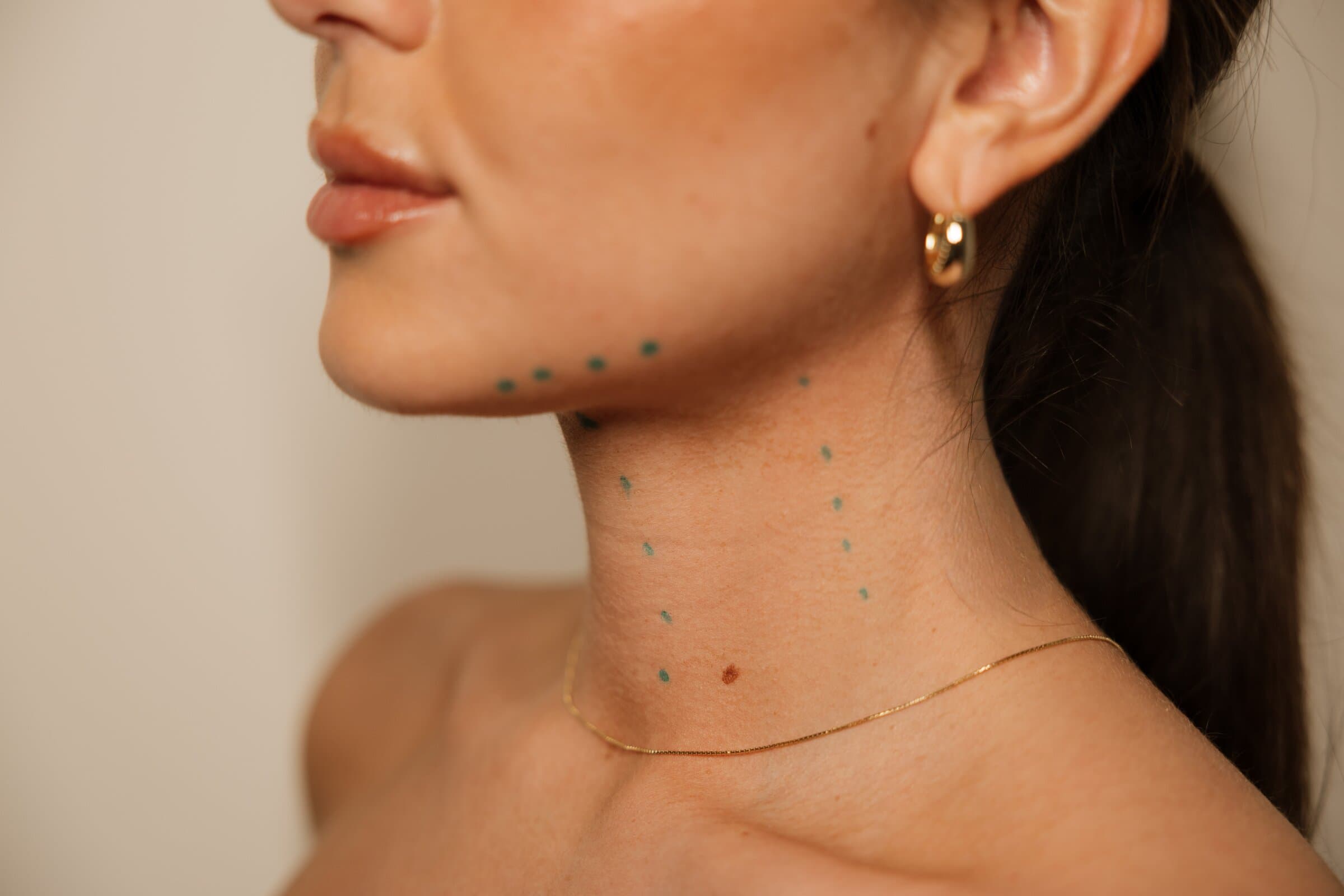
Every Botox appointment at The Beauty Spot starts with a full facial assessment — resting, animated, and with natural light on both sides of the face. We map the muscle groups that are driving the lines you care about, we talk through the brand choice, and we dose conservatively. The injection itself takes 10 to 15 minutes. There's no downtime. Most patients go back to work or straight to the gym — though we ask you to skip lying flat and heavy exercise for about four hours.
First results show up in 3 to 5 days (a bit faster with Dysport), and the full effect settles in at about two weeks. We invite first-time patients back at the two-week mark for a complimentary touch-up, because that's the honest way to tune the result before you're fully committed to it.
A note from Maria
“I carry all three brands because no two faces are the same, and no single brand is the right answer for every patient on every visit. The right injector is the one who'll tell you the difference matters less than the technique, and then demonstrate it.”
Honest answers.
Ready to meet your face?
Every treatment we write about starts with a complimentary consultation. We'll map your face, talk through your goals, and send you home with a real plan — no pressure, no upsell.