
Summer skin, honestly: what to treat now, what to save for fall
The sun doesn't cancel your treatment plan — it reorders it. Here's the honest guide to what's smart to book during a Connecticut summer, and what's worth waiting for.
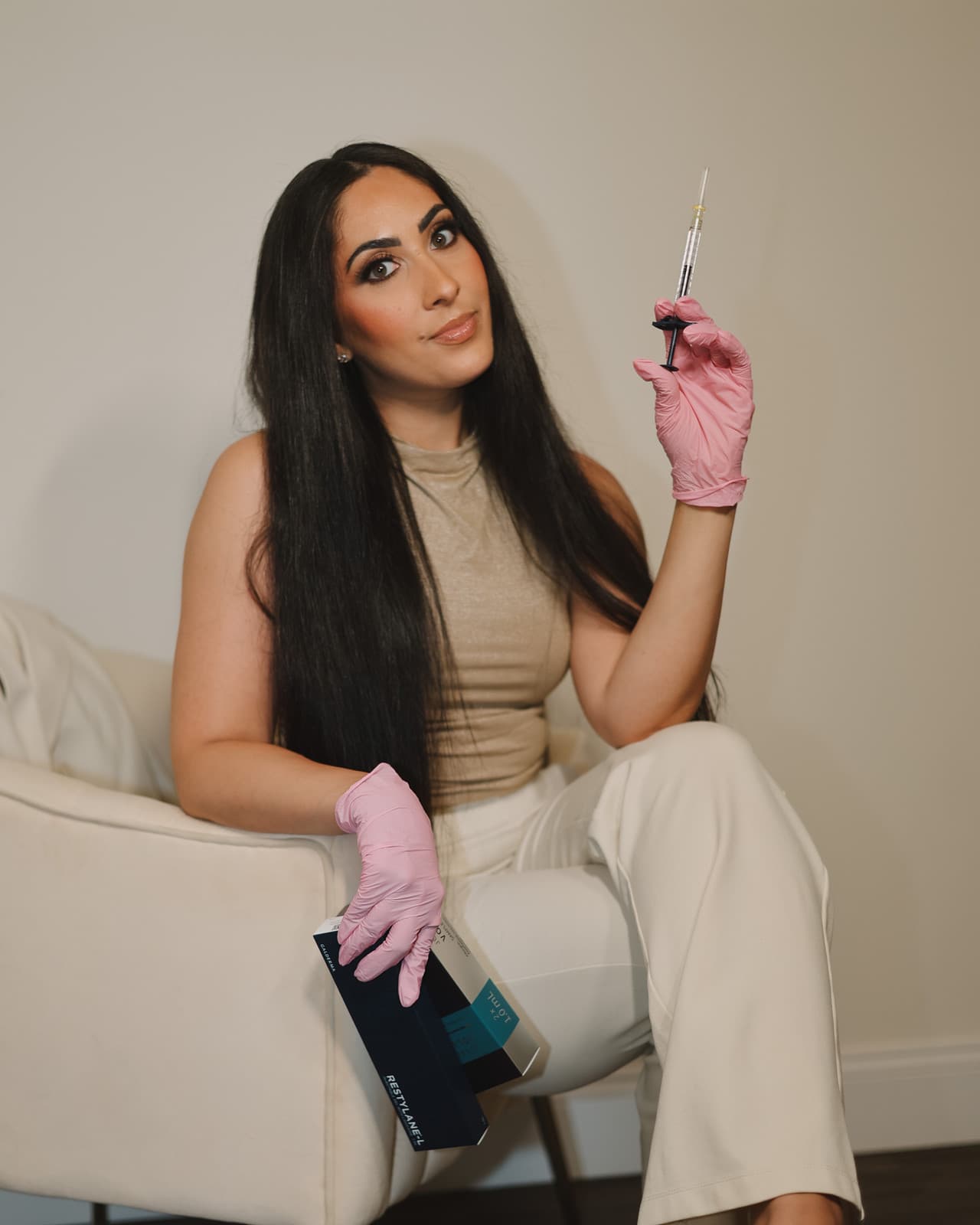 Maria Liuzzi·MSN, APRN, FNP-BC
Every June, someone tells you that you can't get any 'real' skincare done until fall. And every June, that advice is about half right — which is the most frustrating kind of advice, because it sends people either skipping a whole summer of treatments they could safely have, or booking something they really should have waited on.
The truth is simpler and more useful than 'wait until fall.' Summer doesn't cancel your treatment plan. It reorders it. Once you understand the one thing the sun actually changes about your skin, you can look at any treatment and know which pile it belongs in — and you stop guessing.
Here's how we sort it at The Beauty Spot, and how to think about your own summer.
The one rule that explains all of this
When you spend time in the sun, your skin defends itself by making more melanin — the brown pigment that gives a tan its color. A tan isn't a glow; it's your skin throwing up a shield. That extra pigment is harmless on its own, but it changes how your skin responds to two kinds of treatment.
The first kind is anything that uses light to do its job. Lasers and IPL work by sending light energy into the skin to hit a specific target — a brown spot, a broken capillary, a hair follicle. The device is essentially aiming at pigment. When your skin is tan, you've added a layer of pigment on the surface for that light to crash into, and the device can't always tell your tan from its target. That's how you get burns, blisters, and pale or dark patches instead of clearer skin.
The second kind is anything that creates controlled injury to remodel the skin — microneedling, peels, deeper resurfacing. These deliberately wound the skin a little so it heals back stronger. While it's healing, the skin is raw and unusually reactive to UV. Sun on freshly treated skin is the single most common cause of post-inflammatory hyperpigmentation — the stubborn brown marks that can outlast the treatment by months.
Green light: great to do all summer
These don't care what month it is. They don't target pigment, they don't leave your skin raw, and the sun won't undo them. If anything, summer is a wonderful time for the treatments that make you feel camera-ready.
Botox, Dysport & Xeomin
Neurotoxins are the most summer-proof thing on the menu. They work inside the muscle, not on the surface; they're absorbed within about a day; and no amount of sunshine degrades the result. There's one small footnote — heat and sun right after can briefly worsen the bit of swelling or redness from the needle — so we just ask you to skip the beach for the rest of that day. Otherwise Botox is a year-round yes. (Still deciding between the three brands? We wrote a whole guide to that.)
Skin boosters & hydration
A SkinVive skin booster is microdroplets of hyaluronic acid placed just under the surface to hold water in the skin — think dewy and lit-from-within, not 'filled.' It's pure hydration and glow, which is exactly what dry air conditioning, salt water, and chlorine spend all summer stripping out. Perfect timing, not risky timing.
Filler and collagen-building injectables
Dermal fillers and collagen biostimulators like Sculptra are injected, not lit up, so summer doesn't make them unsafe. Two notes: UV slowly breaks down hyaluronic acid over time, so diligent sunscreen quietly protects your filler investment — and biostimulators are actually a smart summer play, because they build your own collagen gradually over a few months. Start now and you're glowing into fall and the holidays, right as the correction-season treatments come back online.
Glow facials & dermaplaning
Gentle, no-downtime treats — our Mermaid Facial, dermaplaning, a hydrating facial before a wedding or a trip — are summer staples. They smooth, hydrate, and prep your skin without wounding it. Book one the week of an event and walk out ready for photos.
Yellow light: do it, but bring discipline
A couple of treatments sit in the middle. They don't target pigment, so they're not an automatic summer no — but they do create controlled injury, which means your skin needs real sun protection while it heals. These are summer-safe only if you'll actually do the homework.
SkinPen microneedling and lighter chemical peels both work by prompting your skin to repair itself. For roughly two weeks afterward, that healing skin is far more likely to answer UV with dark spots. If you can commit to shade, a hat, and reapplied sunscreen — and you're not flying out for a beach week the next morning — they're very doable in summer. If you know you won't hide from the sun, push them to fall and save yourself the hyperpigmentation.
Worth waiting for fall: light-based and deep resurfacing
This is the pile that earns the 'wait until fall' reputation — and for these, it's genuinely good advice.
Lumecca IPL is the clearest example. IPL exists to erase brown spots and redness by targeting pigment with light. A summer tan adds pigment exactly where the device is aiming, so on tanned skin IPL can scorch the surface instead of clearing the spot — and it works less well anyway, because your sun spots are camouflaged against a darker background. IPL wants pale, un-tanned, well-protected skin. In Connecticut, that's roughly October through April.
Laser hair removal runs on the same physics in reverse: the laser hunts the melanin inside your hair follicle, and a tan loads the surrounding skin with competing pigment, raising the odds of burns and pale or dark spots. Most clinics, ours included, ask you to avoid sun and self-tanner for two to three weeks on either side of a session — hard to pull off mid-summer, easy in the fall.
Deeper resurfacing — aggressive peels and ablative laser — belongs here too, for the same reason: more downtime and more raw skin means more to protect from a strong summer sun. The low-UV months are simply kinder to the healing.
| Treatment | This summer | Why |
|---|---|---|
| Botox / Dysport / Xeomin | Go | No light, no downtime, sun-proof |
| SkinVive skin booster | Go | Pure hydration — no pigment target |
| Filler & biostimulators | Go | Injected, not lit; build collagen for fall |
| Glow facials & dermaplaning | Go | Gentle, no wounding, event-ready |
| Microneedling & light peels | With care | Fine if you commit to two weeks of strict SPF |
| Lumecca IPL | Wait for fall | Targets pigment — a tan competes and can burn |
| Laser hair removal | Wait for fall | Targets follicle pigment; a tan raises burn risk |
| Deep resurfacing | Wait for fall | More downtime, more raw skin to shield from UV |
The smart Connecticut play: treat in seasons
The best way to use all of this isn't to white-knuckle through summer wishing you could book IPL. It's to run your skin on a calendar. Treat summer as the maintenance-and-glow season — tox, hydration, facials, and starting the collagen-builders that take a few months to show up. Then treat fall and winter as correction season, when New England's UV finally backs off and the light-based treatments come into their window.
That last part matters more here than people expect. Our stretch of shoreline — Branford, Guilford, Madison — sends half of Greater New Haven to the water all summer, and UV bounces off both the sand and the Sound, so you collect more sun than the sky alone suggests. Connecticut's UV index regularly hits 8 or 9 at midday in July. That's exactly the condition lasers and IPL dislike. Come late September the index drops, the tans fade, and the calendar opens back up.
A simple plan a lot of our North Haven clients run: keep up neurotoxins and a hydrating treatment through the summer, start Sculptra now so the collagen is filling in by autumn, and pre-book IPL or laser hair removal for late fall. You never feel like you're waiting — you're just doing the right thing at the right time.
Sunscreen is doing the most work in this whole article
Everything above ultimately rests on one habit. Sunscreen is what keeps your tan low enough to stay an IPL candidate, what protects freshly treated skin from turning a glow into a spot, and what preserves the result of every treatment you pay for. It is, genuinely, the highest-return product in your routine. The American Academy of Dermatology's guidance is worth committing to memory:
- Broad-spectrum, so it blocks both UVA (the aging rays) and UVB (the burning rays).
- SPF 30 or higher. SPF 30 filters about 97% of UVB; SPF 50 gets you to roughly 98%. No sunscreen blocks 100%, which is why reapplying matters more than chasing the biggest number.
- Mineral formulas (zinc oxide or titanium dioxide) are the gentlest choice on skin that's healing from a treatment.
- Reapply every two hours, and right after swimming or heavy sweating — the step almost everyone skips.
- Back it up with a wide-brim hat and shade between 10am and 4pm, when UV peaks.
We keep medical-grade SPF we actually trust on our skincare shelf — and if you want one matched to your skin and the treatments you're doing, that's a two-minute conversation at your next visit.
A note from Maria
“I'd rather tell you to wait six weeks and give you a beautiful result than treat tanned skin in July and spend the fall fixing a brown patch we caused. Good aesthetic medicine respects the season you're in. Come see me — we'll build a plan around your summer, not against it.”
Honest answers.
Ready to meet your face?
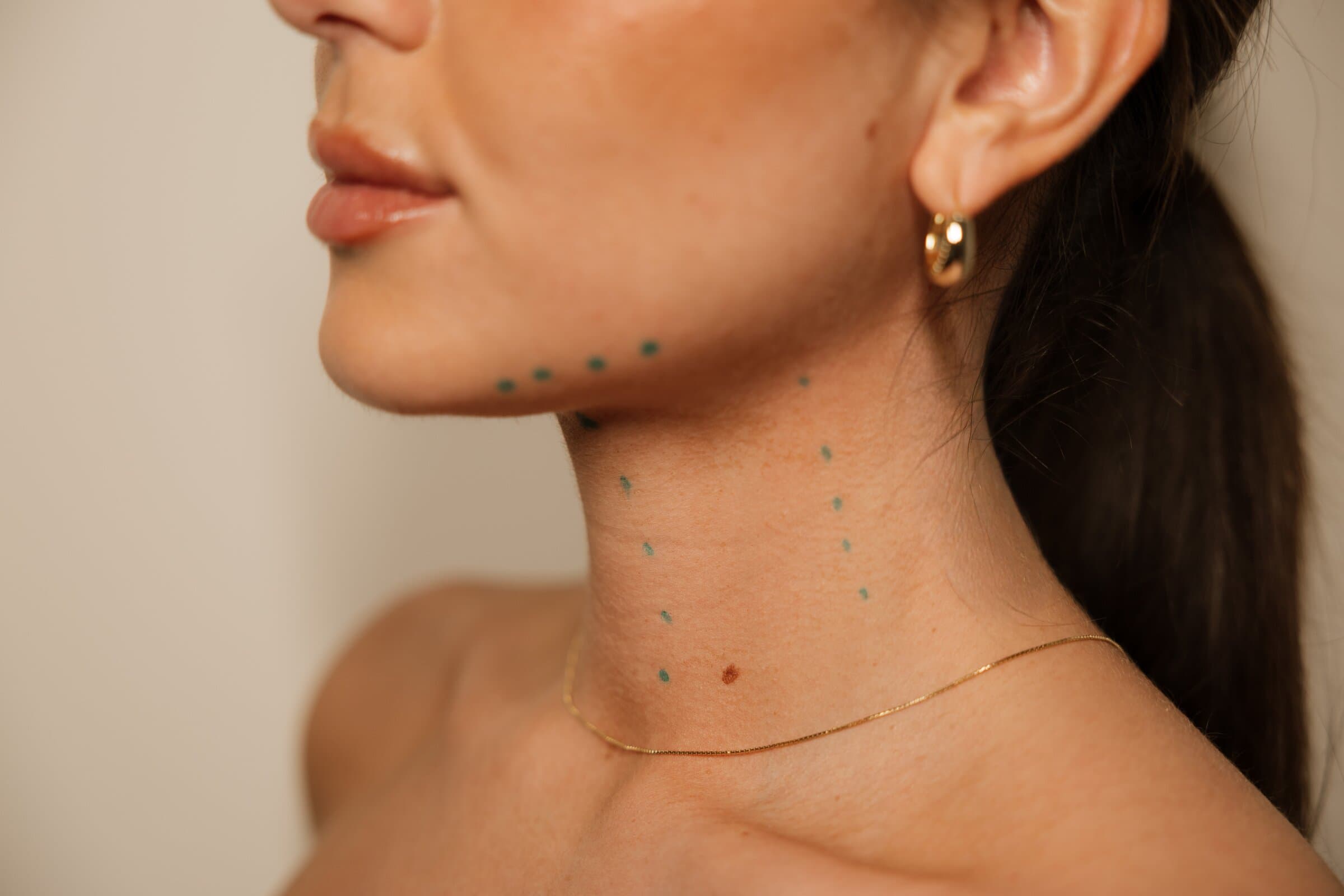
Every treatment we write about starts with a complimentary consultation. We'll map your face, talk through your goals, and send you home with a real plan — no pressure, no upsell.